An Arkus Innovation Studios publicationPeople & possibilities
The Arkus Signal
Grants and funding opportunities worth pursuing
FUNDING EDITION11 NOVEMBER 2026ISSUE 09
Grants & research funding
Make room for prevention.
A new federal call will support the group that updates women’s preventive-care guidelines and helps put them into practice.
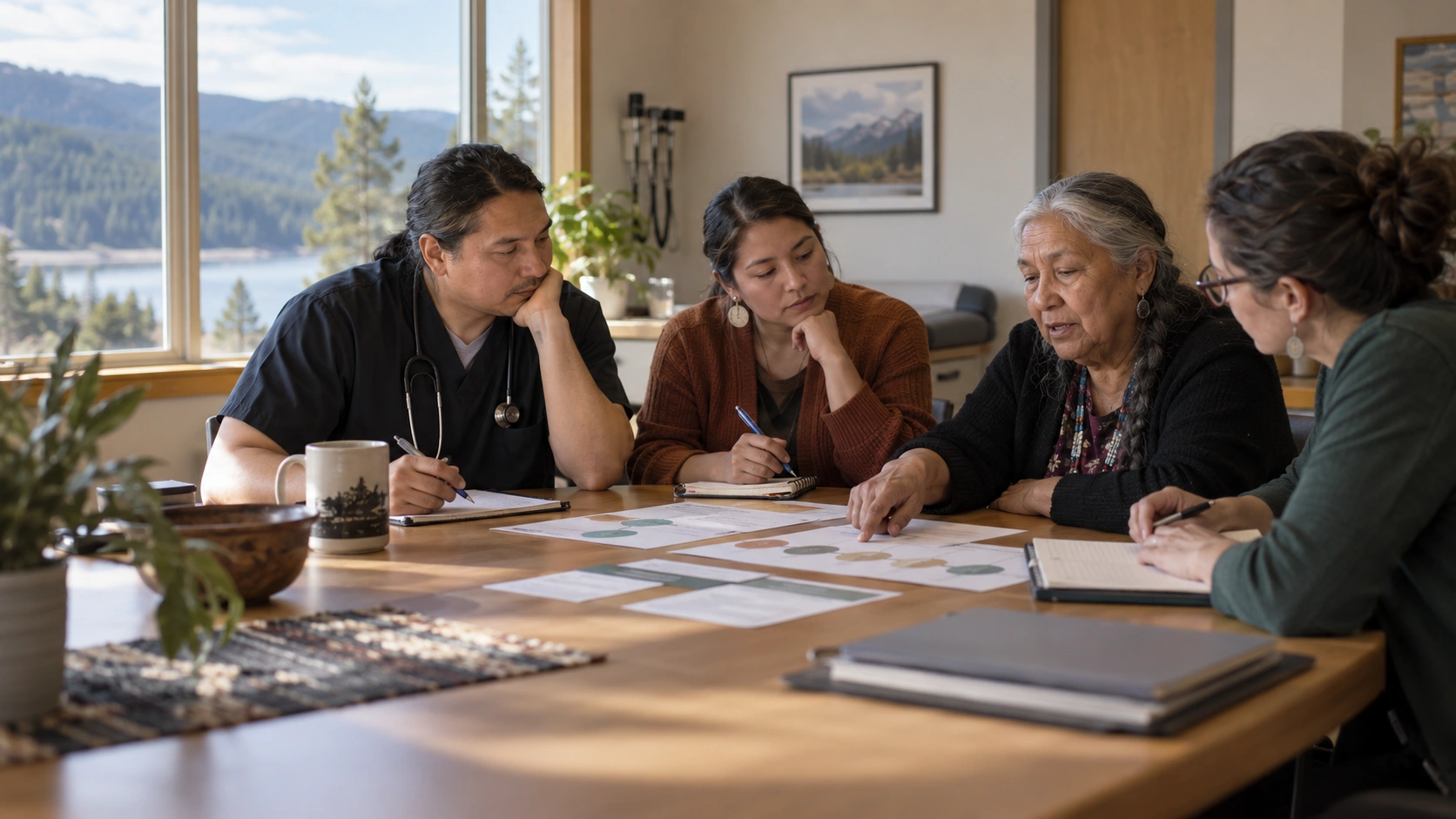
An imagined community-health planning meeting around a table in a rural clinic. AI-generated illustration; reused, and does not show this actual project or its beneficiaries.
A screening recommendation does little for a patient who never hears about it, or a clinician whose workflow leaves no room for it. HRSA’s new WISH competition connects those problems: the recipient will review the evidence behind women’s preventive services, recommend guideline updates and help clinicians and communities use them.
Inside: ten funding stories, with checked official notices, useful repeat coverage and clear first steps. New features and newly issued calls are identified separately.
FOLLOW THE WORK
National guidance. Local voices.
Choose a route to see what the work requires.
Health Resources and Services Administration
Keep prevention current.
WISH combines guideline evidence reviews, multidisciplinary panels and clinician implementation. Later budgets depend on annual funding.
Frontline Funding Collaborative, hosted by Front and Centered
Give organizing room to work.
The Frontline Funding Collaborative offers eighteen $20,000 grants for Washington community capacity. This is its program, distinct from similarly named state funding.
An editorial comparison, not an issuer scoring formula.Read the story ↗
THE ARKUS SIGNAL / FUNDINGTHE OPPORTUNITIES / 02
New call / OPEN / United States and the domestic jurisdictions listed in the NOFO
Make room for prevention.
1 min read ·
A new federal call will support the group that updates women’s preventive-care guidelines and helps put them into practice.
Health Resources and Services Administration · Women's Initiative for Screening and Health (WISH), HRSA-27-072
An imagined community-health planning meeting around a table in a rural clinic. AI-generated illustration; reused, and does not show this actual project or its beneficiaries.
A screening recommendation does little for a patient who never hears about it, or a clinician whose workflow leaves no room for it. HRSA’s new WISH competition connects those problems: the recipient will review the evidence behind women’s preventive services, recommend guideline updates and help clinicians and communities use them.
One cooperative agreement offers up to $1 million in FY2027 base funding. The planned five-year period is divided into annual budgets and depends on future appropriations. This is a substantial national coordination role: applicants need a multidisciplinary panel of at least ten experts, rigorous evidence-review methods and partners who can reach people with limited access to preventive care.
Domestic nonprofits, businesses, universities and listed public bodies may apply; individuals may not. No match is required. Applications close January 8 at 11:59 p.m. Eastern. Start the federal registrations early and read the full scope before choosing a role. A strong outreach team still needs the people who can do the guideline work.
Before you start
Domestic nonprofits with or without 501(c)(3) status, businesses, universities and listed public bodies; individuals excluded. The NOFO defines domestic jurisdictions.
The finer details
Active SAM/UEI and Grants.gov registration; one combined application. Plan at least ten expert-panel members and evidence-review workgroups. No cost share.
United States and the domestic jurisdictions listed in the NOFO
Official issuer source checked November 10, 2026; stated qualifications retained.
New call / UPCOMING / United States; foreign components prohibited
The data needs someone to open the door.
1 min read ·
NIH is seeking the training and outreach team that helps researchers and families use a major childhood-disease data resource.
US National Institutes of Health · Gabriella Miller Kids First Training and Outreach Core, RFA-RM-27-010 (U24 Clinical Trial Not Allowed)
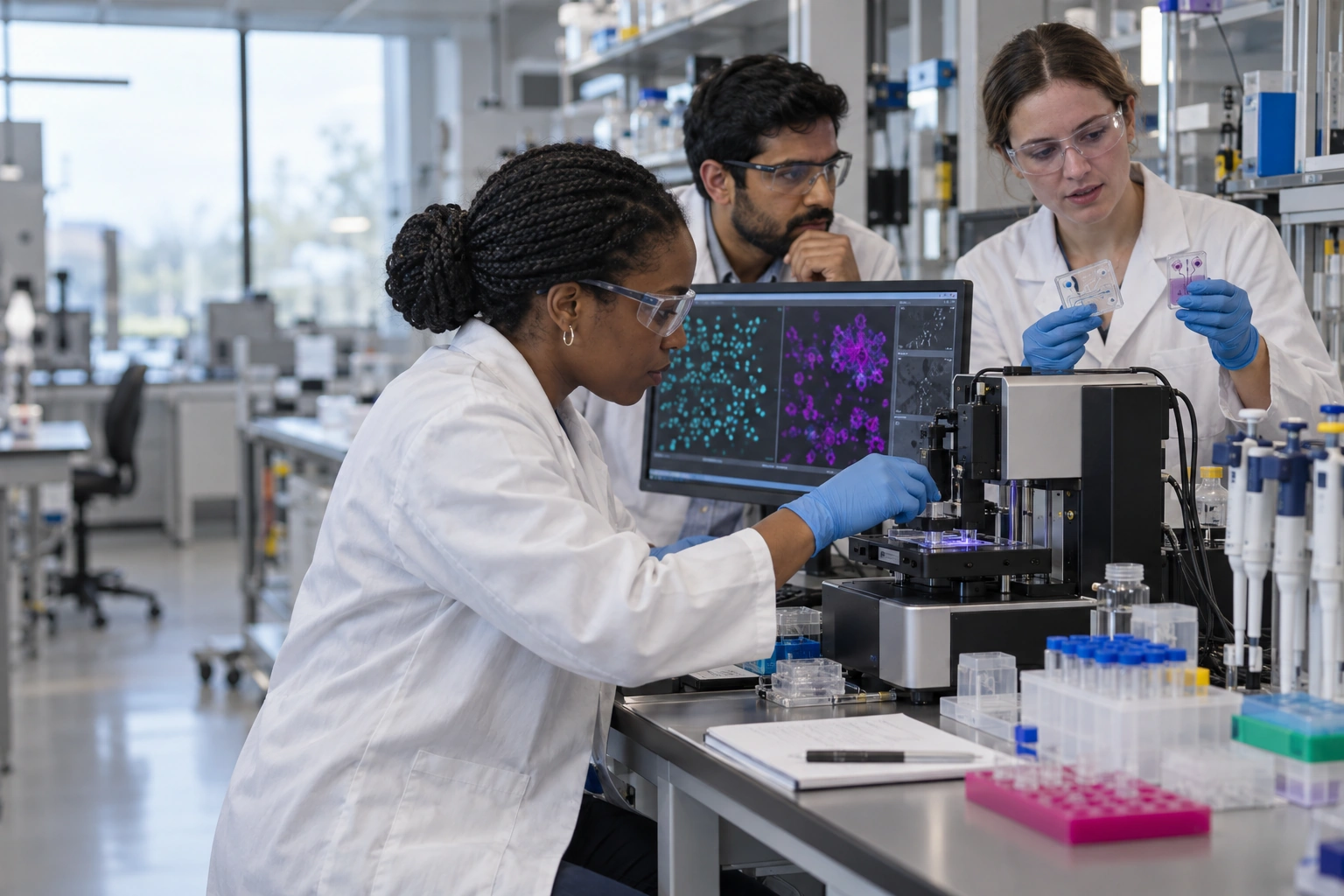
Researchers work with laboratory samples and scientific images in an imagined biomedical laboratory. AI-generated illustration; reused, and does not show this actual project or its beneficiaries.
A shared data resource can be technically impressive and still difficult to use. Kids First wants a dedicated team to turn its childhood-cancer and congenital-anomaly resources into useful training, clearer public information and stronger community participation. The work includes learning pathways, user support, plain-language materials and outreach that can be evaluated.
NIH plans one cooperative agreement, with application budgets up to $900,000 in direct costs per year for as long as three years. That ceiling differs from the program’s anticipated $1.5 million annual commitment. Universities, domestic nonprofits, businesses and listed public bodies can apply. No faculty appointment is required of the project leader, and there is no matching requirement.
The call was announced October 29, but submissions first open December 8. Applications are due January 8 at 5 p.m. in the applicant organization’s local time. Federal registrations and an appropriately linked investigator account come first. Foreign organizations, overseas organizational components and foreign components are excluded. The international readership should notice that restriction before assembling a team.
Before you start
Domestic universities, nonprofits, businesses and listed government or community organizations. Qualified project leaders need no faculty appointment. Foreign organizations, overseas organizational components and foreign components are not allowed.
The finer details
SAM/UEI, Grants.gov, eRA Commons, a distinct signing-official role and investigator account with linked ORCID. No cost share; no clinical trials.
United States; foreign components prohibited
Submissions open December 8. The 5 p.m. cutoff uses the applicant organization’s local time; calendar import stays all-day until that time zone is selected.
Updated coverage / OPEN / Washington State, United States
Environmental justice needs time to organize.
1 min read ·
Washington community groups can seek $20,000 to strengthen the work that makes the HEAL Act meaningful locally.
Frontline Funding Collaborative, hosted by Front and Centered · HEAL Capacity Grant Program, Round 2
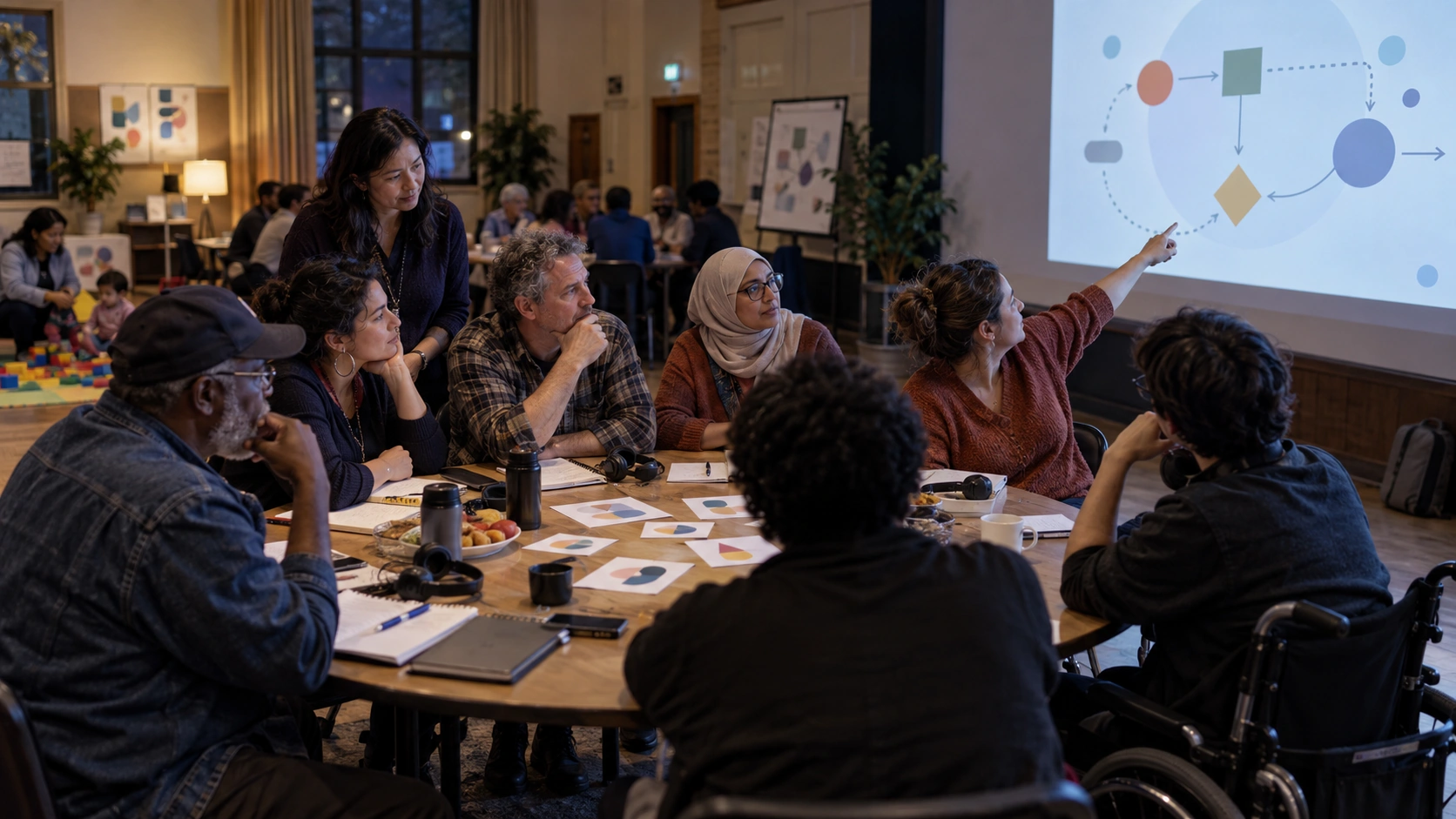
An imagined Washington community group discusses environmental priorities around a table. AI-generated illustration; reused, and does not show this actual project or its beneficiaries.
Showing up at a public meeting takes more than an invitation. Communities facing pollution and climate pressures need time, information, relationships and the capacity to make their priorities heard. The Frontline Funding Collaborative’s HEAL grants support that organizing work, including how groups engage frontline communities and collaborate with other communities and state agencies.
Round 2 offers eighteen grants of $20,000 each. Eligible applicants are Washington community-based nonprofits with 501(c)(3) status and organizations they fiscally sponsor, working with overburdened and vulnerable communities. A community committee will assess the difference the grant makes to local capacity, the barriers and opportunities involved and the proposed collaboration.
Applications close November 18; the funder publishes no clock time. Create the WizeHive account, answer the project and community questions and attach a proposed budget. Round 1 applications that were denied may be reconsidered automatically, so check the earlier application before duplicating work. This is the Collaborative’s program, distinct from similarly named Washington state funding.
Before you start
Washington community-based 501(c)(3) organizations and fiscally sponsored groups working with overburdened or vulnerable communities.
The finer details
Create WizeHive account and attach project budget. Round 1 denials may be automatically reconsidered; confirm before submitting a duplicate.
Washington State, United States
The funder does not publish a cutoff time; calendar import remains all-day.
Youth treatment funding has two submission steps, and the first closes November 16.
US Department of Justice, Office of Juvenile Justice and Delinquency Prevention · OJJDP FY2026 Expanding Youth Access to Community-Based Treatment, O-OJJDP-2026-172737
Young people paint and dance in an imagined community arts room. AI-generated illustration; reused context, not an actual treatment program or its beneficiaries.
A young person’s needs rarely fit neatly inside one service. This OJJDP program supports community-based treatment for substance use disorders and co-occurring mental-health needs among young people at risk of entering, or already involved in, the juvenile justice system. The work can develop or expand the connections that help a referral become actual care.
Awards may reach $650,000 over thirty-six months, with six awards anticipated from a $4 million pool. Eligible applicants include the listed state, local and Tribal governments and nonprofits with or without 501(c)(3) status. No match is required. One organization applies, with other delivery partners named as subrecipients rather than co-applicants.
The first submission is the SF-424 in Grants.gov, due November 16 at 11:59 p.m. Eastern. The full application then closes November 23 at 8:59 p.m. Eastern in JustGrants. That second date offers no rescue if the first step is missed. Check active registrations now; the NOFO advised starting that process before the end of October.
Before you start
Listed state, county, city/township and federally recognized Tribal governments; nonprofits with or without 501(c)(3) status, other than higher-education institutions.
The finer details
SAM/UEI and system registration; Step 1 SF-424 in Grants.gov must precede Step 2 full JustGrants application. Other project entities are subrecipients.
United States
Official issuer source checked November 10, 2026; stated qualifications retained.
Grants of up to $750,000 can connect prevention, treatment and support for young people and families.
US Department of Justice, Office of Juvenile Justice and Delinquency Prevention · OJJDP FY2026 Opioid Affected Youth Initiative, O-OJJDP-2026-172748
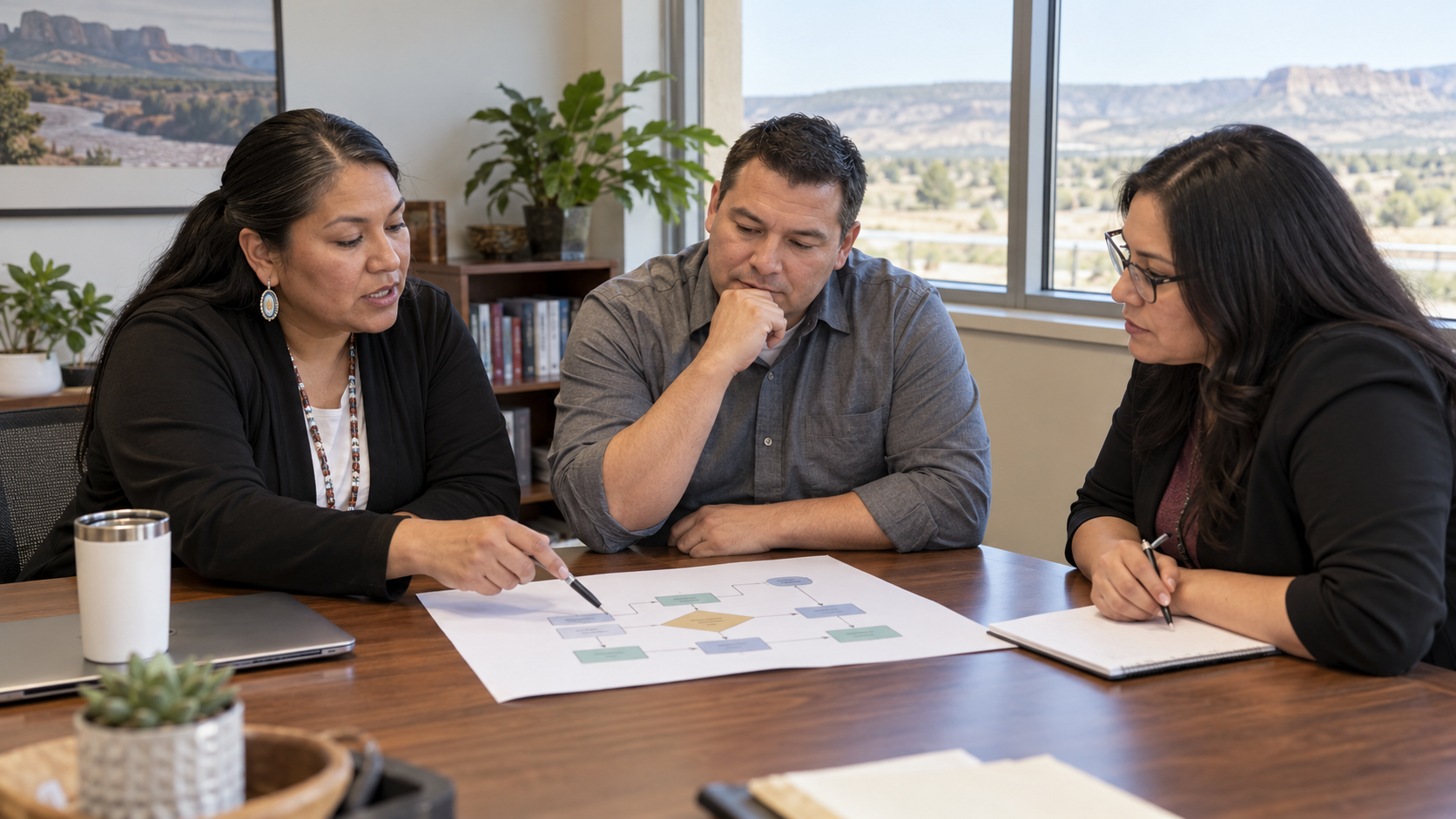
An imagined family-support discussion with community professionals. AI-generated illustration; reused, and does not show this actual project or its beneficiaries.
An opioid crisis can appear in a classroom, a household or a court file long before services join up. This initiative asks communities to develop a coordinated response for children, young people and families affected by opioids and at risk of involvement in the child-welfare or justice systems. The proposal needs a workable network of support.
OJJDP anticipates twelve awards of up to $750,000 over thirty-six months, within an $8.92 million pool. Listed state, local and Tribal governments and nonprofits with or without 501(c)(3) status may apply. There is no match. A collaboration still needs one applicant responsible for the award; other organizations participate as subrecipients.
Submit the SF-424 through Grants.gov by November 16 at 11:59 p.m. Eastern, then the full application through JustGrants by November 23 at 8:59 p.m. Eastern. The systems and the deadlines are separate. Use the remaining days to confirm registration and agree on delivery roles, rather than discovering at the final upload that a partner expected to be the applicant.
Before you start
Listed state, county, city/township and federally recognized Tribal governments, other units of local government and nonprofits with or without 501(c)(3) status, excluding higher-education institutions.
The finer details
Registered applicant; Step 1 SF-424 in Grants.gov and Step 2 full JustGrants submission. One lead, partners as subrecipients.
United States
Official issuer source checked November 10, 2026; stated qualifications retained.
Up to $815,000 can support a coordinated response to childhood exposure to violence.
US Department of Justice, Office of Juvenile Justice and Delinquency Prevention · OJJDP FY2026 Strategies To Support Children Exposed to Violence, O-OJJDP-2026-172752
An imagined discussion between youth-support professionals in a welcoming community room. AI-generated illustration; reused, and does not show this actual project or its beneficiaries.
Children exposed to violence may encounter several systems that each see only part of the problem. This OJJDP program supports strategies that bring those responses together, improve support for affected children and help prevent further violence and juvenile offending. The work needs people who can connect services and remain accountable for what happens next.
The competition anticipates nine grants of up to $815,000 over thirty-six months, within a $7.335 million pool. Eligible applicants span listed governments, school districts, higher-education institutions, nonprofits and Tribal organizations. No matching contribution is required. A joint effort has one applicant, with the other participating entities proposed as subrecipients.
There are two uploads on two different clocks. The SF-424 closes in Grants.gov on November 16 at 11:59 p.m. Eastern. The full application closes in JustGrants on November 23 at 8:59 p.m. Eastern. Confirm registration and the lead organization before spending the week polishing the narrative. A well-connected project still needs an application that reaches both systems.
Before you start
Listed governments including special districts, school districts, higher-education institutions, nonprofits with or without 501(c)(3), and eligible Tribal organizations or other local-government units.
The finer details
Registered lead applicant; mandatory SF-424 first, full JustGrants application second; delivery partners as subrecipients.
United States
Official issuer source checked November 10, 2026; stated qualifications retained.
First feature / OPEN / United States, with regional giving priorities
Back the program that helps someone move forward.
1 min read ·
An open nonprofit grant process supports adult career pathways and services for small-business owners.
Truist Foundation · Truist Foundation grants: Strengthening Small Businesses and Building Career Pathways to Economic Mobility
An imagined small-business owner works through a practical planning session with an adviser. AI-generated illustration; reused, and does not show this actual project or its beneficiaries.
A business owner may need practical advice, access to capital or a network that makes the next decision less lonely. An adult changing careers may need training and support that continues after enrollment. Truist Foundation’s two open funding pillars address those everyday needs through nonprofits delivering specific, sustainable programs.
The minimum grant is $15,000; the Foundation publishes no fixed average or maximum. Qualifying US public charities can apply without an invitation; giving emphasizes Truist’s region, with national opportunities too. Support can help launch a program, strengthen a curriculum or provide equipment. General operating requests, direct grants to businesses and medical or scientific research are outside the stated scope. The next cycle cutoff is November 30, with no clock time published and decisions expected in April. Create the online account and check the stewardship rule: recipients generally wait three years between grants, while declined applicants may reapply. A program should show who benefits and what improves. A large activity count is less persuasive than a clear explanation of useful change.
Before you start
US-based qualifying 501(c)(3) public charities under the listed 509(a) classifications; eligible fiscal agents or sponsors may apply. Programs serve adults or small-business owners. Giving emphasizes Truist’s operating region, with local or national programs outside it also considered.
The finer details
Online account; pillar and stewardship eligibility. Generally three years between awards. These two pillars have an open process; some other funding requires an invitation code.
United States, with regional giving priorities
The Foundation publishes no cutoff time; the calendar import stays all-day.
Official issuer source checked November 10, 2026; stated qualifications retained.
Nonprofits can seek a funded fellow and a $10,000 hosting grant, with rolling applications for the 2027 cohorts.
Anthropic, with CodePath and Social Finance · Claude Corps, host organization track
Participants work together at laptops in an imagined community classroom. AI-generated illustration; reused context, not this actual project or its beneficiaries.
An organization can have several good AI ideas and nobody with time to test them carefully. Claude Corps places an early-career fellow inside a nonprofit for twelve months, working on real operational or program problems with a named supervisor. The host defines the challenge; a fully specified technical project is not required at application.
Anthropic covers the fellow’s salary and benefits through CodePath. Each host receives a one-time $10,000 implementation grant, not $10,000 per fellow, plus up to $2,500 in Claude licenses and API credits per fellow. The host supplies management time, equipment and appropriate access, and owns what the fellow builds.
Applications roll across cohorts. US 501(c)(3) organizations must be Claude for Nonprofits Team or Enterprise customers and name a leadership sponsor and supervisor. Fully remote hosts may participate in the March or August 2027 cohorts. Choose a reminder date, check the subscription requirement and plan who will maintain the work after the fellowship. The funded year is a start, not permanent staffing.
Before you start
US-based 501(c)(3) nonprofits that are Claude for Nonprofits Team or Enterprise customers. Government agencies, universities/colleges, K-12 districts and international organizations are not currently eligible.
The finer details
Name leadership sponsor and day-to-day supervisor; provide equipment, access and maintenance plan; selected hosts sign three agreements. Fully remote hosts may join the 2027 cohorts.
United States
No deadline is published for the March/August 2027 cohorts; choose your own reminder date.
Current official program page and full terms checked November 10, 2026.
Source check dates vary by story. Use the complete official notices to check the first step, eligibility and current terms before deciding to apply or bid.
THE ARKUS SIGNAL / FUNDINGTHE OPPORTUNITIES / 06
New addition / UPCOMING / US and eligible foreign applicants; foreign subawards prohibited
Build the device toward a first human study.
1 min read ·
NIH’s NextTech call supports engineering work on brain and pain-related devices before clinical trials begin.
US National Institutes of Health, NIBIB and participating institutes · NextTech: Translational Development of Next-Generation Diagnostic and Therapeutic Devices, RFA-EB-28-004 (R18 Clinical Trial Not Allowed)
Three researchers inspect laboratory equipment and sample plates in an imagined laboratory. AI-generated illustration; reused context, not this actual project or its beneficiaries.
A device concept needs more than an interesting laboratory result before it can reach a patient. NIH’s NextTech program supports design, optimization and preclinical work that prepares new technology for human use. The focus is the BRAIN and HEAL initiatives: brain recording or modulation, and non-addictive approaches to pain and opioid-use disorder.
Application budgets are not formally capped, but NIH says annual direct costs should rarely exceed $750,000. Projects can run for up to three years; approximately $6 million is planned for eight to twelve awards in fiscal 2028, subject to appropriations. Nonprofits, universities, businesses and listed public bodies can apply, with no faculty appointment required of a qualified project leader.
Submissions open January 1, with the first application due February 1 at 5 p.m. in the applicant organization’s local time. Clinical trials are outside scope, and foreign subawards or subcontracts are prohibited even though foreign applicants and certain foreign components are allowed. Start registrations early and read the detailed technical exclusions before designing the team.
Before you start
US and foreign universities, nonprofits, businesses and listed public bodies may apply. Qualified PD/PIs need no faculty appointment. Foreign subawards/subcontracts are prohibited; specified foreign components, consultants and procurement exceptions remain as in the NOFO.
The finer details
SAM/UEI, Grants.gov, eRA Commons and linked investigator ORCID before submission. Technical device scope, no clinical trials, and no funded foreign subaward/subcontract.
US and eligible foreign applicants; foreign subawards prohibited
Submissions first open January 1. The 5 p.m. deadline is applicant-local, so calendar import remains all-day until the organization time zone is selected.
A $50 million research program asks why autoimmune risk changes around major hormonal transitions.
Wellcome Leap, jointly funded by Pivotal · AMPt: Autoimmune in Menopause and Pregnancy Transitions
Two researchers inspect scientific images in an imagined biomedical laboratory. AI-generated illustration; reused, and does not show this actual project or its beneficiaries.
For a woman living with autoimmune disease, a life transition can also change the pattern of illness. Wellcome Leap’s AMPt program asks researchers to measure immune and hormonal changes together, predict disease or flares earlier and test interventions timed to those changes. Rheumatoid arthritis, multiple sclerosis and lupus are the program’s three index diseases.
The announced $50 million is the whole program, not an individual grant promise. Project budgets are not capped at a published per-award figure. Work runs for three years, and applicants can address one focused research area without building a consortium that covers everything. Legal entities worldwide, including nonprofits, companies and universities, may propose.
The abstract portal opens November 25 at 11:59 p.m. Eastern and closes December 2 at the same time. The first submission is seven pages; full proposals follow on January 21. Read the announcement and agreement terms before sharing material: abstracts impose no confidentiality obligation on Leap. An award requires the relevant framework agreement, even though submission does not.
Before you start
Any legal entity in any legal jurisdiction, including academic, nonprofit, for-profit and regulatory/professional organizations; no compulsory consortium.
The finer details
Seven-page abstract; submission confidentiality terms; relevant framework agreement required for an award, not initial submission. Full proposal follows abstract feedback.
Global
The abstract portal does not open until November 25. The $50 million figure is the program total, not an individual award.
Official issuer source checked November 10, 2026; stated qualifications retained.
THE ARKUS SIGNAL / IDEAS & EXPERIMENTSBEYOND THE OPPORTUNITIES
Give the uncertainty a job.
A useful proposal identifies what must be learned and what that learning will change.
A funding call arrives with purposes, conditions and a closing date. An applicant brings a problem that rarely fits neatly inside those headings. The first task is connecting the two: which part of this problem can the proposed project address, and what would anyone know afterward that they do not know now?
Consider a hypothetical tool. Its creators may need to establish whether it can perform a task at all, whether it works reliably under ordinary conditions, or whether people can use it in a real service. Those are distinct questions. A study designed for one will not automatically answer the others, however impressive the presentation.
The question should shape the evidence. An exploratory experiment might justify another test without proving a product ready for use. A service trial might reveal a practical obstacle that a controlled experiment could never encounter. Both can be worthwhile. The proposal needs to explain which result it can credibly produce and where its conclusion will stop.
That boundary also helps a collaboration. Researchers, practitioners and community partners may see different uncertainties because they carry different responsibilities. Put those differences into the plan. Ask what each person needs to decide, what they can contribute and what will happen if the result disappoints. A partnership becomes more useful when it can discuss an inconvenient answer.
Before writing the grand promise, write the smaller decision the work should support. Then check whether the call, resources and proposed team can sustain that inquiry. Leave room for learning without making the project vague. An honest uncertainty is a starting point. It becomes a useful project when someone has a credible way to reduce it.
OFFICIAL NOTICEName the questionKeep terms with dates.
OFFICIAL NOTICEChoose the evidenceKeep terms with dates.
OFFICIAL NOTICEPlan the decisionKeep terms with dates.
Decode SODQ, WHVW and DVN. Move each letter three places backward: D becomes A, E becomes B, and A wraps around to X. Choose the decoded word in each row, then reveal the message. This is wordplay, not an application test.
Circle a decoded word in each row. Solution: SODQ becomes PLAN; WHVW becomes TEST; DVN becomes ASK. Every letter moves three places backward, wrapping around the alphabet where needed.
An original substitution cipher. It makes no eligibility or professional assessment. Your choices stay in this browser.
THE ARKUS SIGNALTHE STRIP / THREE ORIGINAL VIEWPOINTS
Between the lines.
Three scenes, each sparked by an opportunity in this week’s editions.
A subject of their own
The commission began with a search for an impressive angle.
THE ARKUS SIGNAL / LAST LOOKTHE PEOPLE BEHIND THE WORK
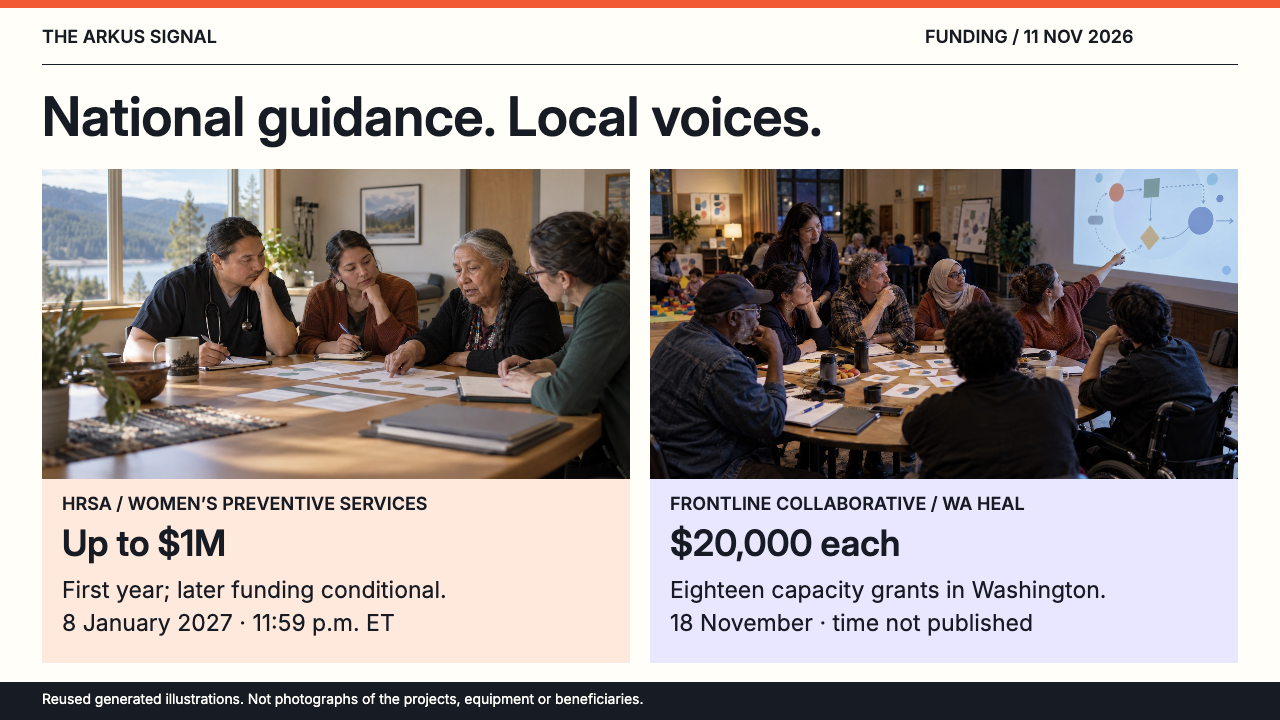
National guidance. Local voices.
WATCH THE STORY / 24 SECONDS
THE ARKUS SIGNALFUNDING / 11 NOV 2026
WISH preventive-care guideline work and Washington’s Frontline Funding Collaborative HEAL capacity grants. Silent, with on-screen captions. Photographs are generated illustrations. Read the full figures in the story. The official notices control.
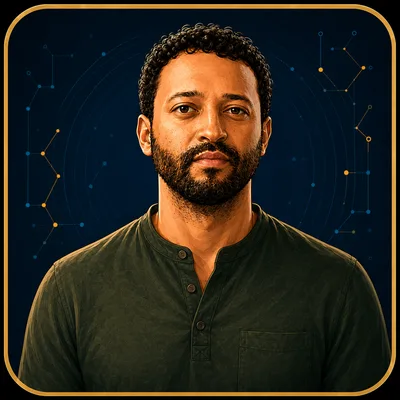
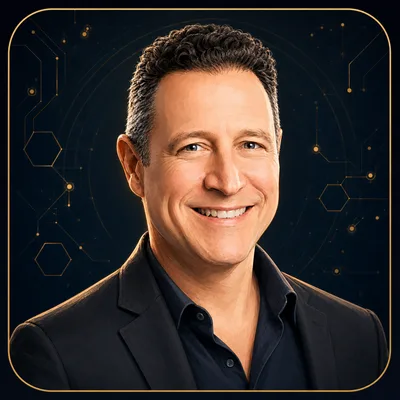
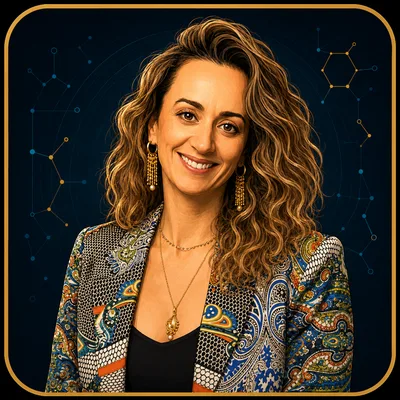
Chandler LewisFounder and Managing DirectorWalter BenadofPartner - Global Markets and InvestmentsNadia LerougeArkus Deputy Managing DirectorCloud (Yiyun) QiuPartner · Design and Innovation StrategyAarav GhaiResearch Analyst
Arkus Innovation Studios is a commercial venture studio and innovation advisory firm. We help founders, investors and enterprise teams make decisions about ideas, markets and the work needed to move forward. We begin by understanding the question, examining the evidence and identifying what a useful result would allow people to decide or do.
A Startup Diagnostic examines one venture. A Portfolio Diagnostic considers several initiatives. An AI Workflow Sprint concentrates on a specific way of working, while the enterprise Assessment and Innovation Compass support broader innovation choices. These are different starting points for different questions. We discuss the purpose and responsibilities before choosing the form of an engagement.
Arkus operates alongside two separate organizations: 360 Social Impact Studios, the nonprofit social-impact arm, and Enough Ventures, a capital platform. Each has its own legal structure. Shared experience does not make their responsibilities, eligibility or funding routes interchangeable. The organization undertaking a piece of work matters as much as the people involved.
To discuss working together, send the public opportunity, a brief description of your idea or capabilities, and the role you have in mind. We can explore what needs to be understood, demonstrated or delivered, then agree whether there is a practical fit. Applications, partnerships and delivery commitments need their own scope and responsibilities. Contact Nadia at nadia@arkusinnovationstudios.com to begin the conversation.
An Arkus Innovation Studios publicationPeople & possibilities
The Arkus Signal
Grants and funding opportunities worth pursuing
FUNDING EDITION11 NOVEMBER 2026ISSUE 09 / PRINT EDITION
Grants & research funding
Make room for prevention.
A new federal call will support the group that updates women’s preventive-care guidelines and helps put them into practice.
An imagined community-health planning meeting around a table in a rural clinic. AI-generated illustration; reused, and does not show this actual project or its beneficiaries.
A screening recommendation does little for a patient who never hears about it, or a clinician whose workflow leaves no room for it. HRSA’s new WISH competition connects those problems: the recipient will review the evidence behind women’s preventive services, recommend guideline updates and help clinicians and communities use them.
Inside: ten funding stories, with checked official notices, useful repeat coverage and clear first steps. New features and newly issued calls are identified separately.
FOLLOW THE WORK
National guidance. Local voices.
Choose a route to see what the work requires.
Health Resources and Services Administration
Keep prevention current.
WISH combines guideline evidence reviews, multidisciplinary panels and clinician implementation. Later budgets depend on annual funding.
Frontline Funding Collaborative, hosted by Front and Centered
Give organizing room to work.
The Frontline Funding Collaborative offers eighteen $20,000 grants for Washington community capacity. This is its program, distinct from similarly named state funding.
An editorial comparison, not an issuer scoring formula.Read the story ↗
THE ARKUS SIGNAL / FUNDINGTHE OPPORTUNITIES / 02
New call / OPEN / United States and the domestic jurisdictions listed in the NOFO
Make room for prevention.
1 min read ·
A new federal call will support the group that updates women’s preventive-care guidelines and helps put them into practice.
Health Resources and Services Administration · Women's Initiative for Screening and Health (WISH), HRSA-27-072
An imagined community-health planning meeting around a table in a rural clinic. AI-generated illustration; reused, and does not show this actual project or its beneficiaries.
A screening recommendation does little for a patient who never hears about it, or a clinician whose workflow leaves no room for it. HRSA’s new WISH competition connects those problems: the recipient will review the evidence behind women’s preventive services, recommend guideline updates and help clinicians and communities use them.
One cooperative agreement offers up to $1 million in FY2027 base funding. The planned five-year period is divided into annual budgets and depends on future appropriations. This is a substantial national coordination role: applicants need a multidisciplinary panel of at least ten experts, rigorous evidence-review methods and partners who can reach people with limited access to preventive care.
Domestic nonprofits, businesses, universities and listed public bodies may apply; individuals may not. No match is required. Applications close January 8 at 11:59 p.m. Eastern. Start the federal registrations early and read the full scope before choosing a role. A strong outreach team still needs the people who can do the guideline work.
Before you start
Domestic nonprofits, businesses, universities and listed public bodies; individuals excluded.
The finer details
Active SAM/UEI and Grants.gov registration; one combined application. Plan at least ten expert-panel members and evidence-review workgroups. No cost share.
United States and the domestic jurisdictions listed in the NOFO
Official issuer source checked November 10, 2026; stated qualifications retained.
New call / UPCOMING / United States; foreign components prohibited
The data needs someone to open the door.
1 min read ·
NIH is seeking the training and outreach team that helps researchers and families use a major childhood-disease data resource.
US National Institutes of Health · Gabriella Miller Kids First Training and Outreach Core, RFA-RM-27-010 (U24 Clinical Trial Not Allowed)
Researchers work with laboratory samples and scientific images in an imagined biomedical laboratory. AI-generated illustration; reused, and does not show this actual project or its beneficiaries.
A shared data resource can be technically impressive and still difficult to use. Kids First wants a dedicated team to turn its childhood-cancer and congenital-anomaly resources into useful training, clearer public information and stronger community participation. The work includes learning pathways, user support, plain-language materials and outreach that can be evaluated.
NIH plans one cooperative agreement, with application budgets up to $900,000 in direct costs per year for as long as three years. That ceiling differs from the program’s anticipated $1.5 million annual commitment. Universities, domestic nonprofits, businesses and listed public bodies can apply. No faculty appointment is required of the project leader, and there is no matching requirement.
The call was announced October 29, but submissions first open December 8. Applications are due January 8 at 5 p.m. in the applicant organization’s local time. Federal registrations and an appropriately linked investigator account come first. Foreign organizations, overseas organizational components and foreign components are excluded. The international readership should notice that restriction before assembling a team.
Before you start
Domestic eligible organizations; no foreign organizations, overseas organizational components or foreign components. No faculty appointment required. January 8 cutoff: 5 p.m. applicant-local time.
The finer details
SAM/UEI, Grants.gov, eRA Commons, a distinct signing-official role and investigator account with linked ORCID. No cost share; no clinical trials.
United States; foreign components prohibited
Submissions open December 8. The 5 p.m. cutoff uses the applicant organization’s local time; calendar import stays all-day until that time zone is selected.
Updated coverage / OPEN / Washington State, United States
Environmental justice needs time to organize.
1 min read ·
Washington community groups can seek $20,000 to strengthen the work that makes the HEAL Act meaningful locally.
Frontline Funding Collaborative, hosted by Front and Centered · HEAL Capacity Grant Program, Round 2
An imagined Washington community group discusses environmental priorities around a table. AI-generated illustration; reused, and does not show this actual project or its beneficiaries.
Showing up at a public meeting takes more than an invitation. Communities facing pollution and climate pressures need time, information, relationships and the capacity to make their priorities heard. The Frontline Funding Collaborative’s HEAL grants support that organizing work, including how groups engage frontline communities and collaborate with other communities and state agencies.
Round 2 offers eighteen grants of $20,000 each. Eligible applicants are Washington community-based nonprofits with 501(c)(3) status and organizations they fiscally sponsor, working with overburdened and vulnerable communities. A community committee will assess the difference the grant makes to local capacity, the barriers and opportunities involved and the proposed collaboration.
Applications close November 18; the funder publishes no clock time. Create the WizeHive account, answer the project and community questions and attach a proposed budget. Round 1 applications that were denied may be reconsidered automatically, so check the earlier application before duplicating work. This is the Collaborative’s program, distinct from similarly named Washington state funding.
Before you start
Washington community-based 501(c)(3) organizations and fiscally sponsored groups working with overburdened or vulnerable communities.
The finer details
Create WizeHive account and attach project budget. Round 1 denials may be automatically reconsidered; confirm before submitting a duplicate.
Washington State, United States
The funder does not publish a cutoff time; calendar import remains all-day.
Youth treatment funding has two submission steps, and the first closes November 16.
US Department of Justice, Office of Juvenile Justice and Delinquency Prevention · OJJDP FY2026 Expanding Youth Access to Community-Based Treatment, O-OJJDP-2026-172737
Young people paint and dance in an imagined community arts room. AI-generated illustration; reused context, not an actual treatment program or its beneficiaries.
A young person’s needs rarely fit neatly inside one service. This OJJDP program supports community-based treatment for substance use disorders and co-occurring mental-health needs among young people at risk of entering, or already involved in, the juvenile justice system. The work can develop or expand the connections that help a referral become actual care.
Awards may reach $650,000 over thirty-six months, with six awards anticipated from a $4 million pool. Eligible applicants include the listed state, local and Tribal governments and nonprofits with or without 501(c)(3) status. No match is required. One organization applies, with other delivery partners named as subrecipients rather than co-applicants.
The first submission is the SF-424 in Grants.gov, due November 16 at 11:59 p.m. Eastern. The full application then closes November 23 at 8:59 p.m. Eastern in JustGrants. That second date offers no rescue if the first step is missed. Check active registrations now; the NOFO advised starting that process before the end of October.
Before you start
Listed state, county, city/township and federally recognized Tribal governments; nonprofits with or without 501(c)(3) status, other than higher-education institutions.
The finer details
SAM/UEI and system registration; Step 1 SF-424 in Grants.gov must precede Step 2 full JustGrants application. Other project entities are subrecipients.
United States
Official issuer source checked November 10, 2026; stated qualifications retained.
Grants of up to $750,000 can connect prevention, treatment and support for young people and families.
US Department of Justice, Office of Juvenile Justice and Delinquency Prevention · OJJDP FY2026 Opioid Affected Youth Initiative, O-OJJDP-2026-172748
An imagined family-support discussion with community professionals. AI-generated illustration; reused, and does not show this actual project or its beneficiaries.
An opioid crisis can appear in a classroom, a household or a court file long before services join up. This initiative asks communities to develop a coordinated response for children, young people and families affected by opioids and at risk of involvement in the child-welfare or justice systems. The proposal needs a workable network of support.
OJJDP anticipates twelve awards of up to $750,000 over thirty-six months, within an $8.92 million pool. Listed state, local and Tribal governments and nonprofits with or without 501(c)(3) status may apply. There is no match. A collaboration still needs one applicant responsible for the award; other organizations participate as subrecipients.
Submit the SF-424 through Grants.gov by November 16 at 11:59 p.m. Eastern, then the full application through JustGrants by November 23 at 8:59 p.m. Eastern. The systems and the deadlines are separate. Use the remaining days to confirm registration and agree on delivery roles, rather than discovering at the final upload that a partner expected to be the applicant.
Before you start
Listed state, county, city/township and federally recognized Tribal governments, other units of local government and nonprofits with or without 501(c)(3) status, excluding higher-education institutions.
The finer details
Registered applicant; Step 1 SF-424 in Grants.gov and Step 2 full JustGrants submission. One lead, partners as subrecipients.
United States
Official issuer source checked November 10, 2026; stated qualifications retained.
Up to $815,000 can support a coordinated response to childhood exposure to violence.
US Department of Justice, Office of Juvenile Justice and Delinquency Prevention · OJJDP FY2026 Strategies To Support Children Exposed to Violence, O-OJJDP-2026-172752
An imagined discussion between youth-support professionals in a welcoming community room. AI-generated illustration; reused, and does not show this actual project or its beneficiaries.
Children exposed to violence may encounter several systems that each see only part of the problem. This OJJDP program supports strategies that bring those responses together, improve support for affected children and help prevent further violence and juvenile offending. The work needs people who can connect services and remain accountable for what happens next.
The competition anticipates nine grants of up to $815,000 over thirty-six months, within a $7.335 million pool. Eligible applicants span listed governments, school districts, higher-education institutions, nonprofits and Tribal organizations. No matching contribution is required. A joint effort has one applicant, with the other participating entities proposed as subrecipients.
There are two uploads on two different clocks. The SF-424 closes in Grants.gov on November 16 at 11:59 p.m. Eastern. The full application closes in JustGrants on November 23 at 8:59 p.m. Eastern. Confirm registration and the lead organization before spending the week polishing the narrative. A well-connected project still needs an application that reaches both systems.
Before you start
Listed governments including special districts, school districts, higher-education institutions, nonprofits with or without 501(c)(3), and eligible Tribal organizations or other local-government units.
The finer details
Registered lead applicant; mandatory SF-424 first, full JustGrants application second; delivery partners as subrecipients.
United States
Official issuer source checked November 10, 2026; stated qualifications retained.
First feature / OPEN / United States, with regional giving priorities
Back the program that helps someone move forward.
1 min read ·
An open nonprofit grant process supports adult career pathways and services for small-business owners.
Truist Foundation · Truist Foundation grants: Strengthening Small Businesses and Building Career Pathways to Economic Mobility
An imagined small-business owner works through a practical planning session with an adviser. AI-generated illustration; reused, and does not show this actual project or its beneficiaries.
A business owner may need practical advice, access to capital or a network that makes the next decision less lonely. An adult changing careers may need training and support that continues after enrollment. Truist Foundation’s two open funding pillars address those everyday needs through nonprofits delivering specific, sustainable programs.
The minimum grant is $15,000; the Foundation publishes no fixed average or maximum. Qualifying US public charities can apply without an invitation; giving emphasizes Truist’s region, with national opportunities too. Support can help launch a program, strengthen a curriculum or provide equipment. General operating requests, direct grants to businesses and medical or scientific research are outside the stated scope. The next cycle cutoff is November 30, with no clock time published and decisions expected in April. Create the online account and check the stewardship rule: recipients generally wait three years between grants, while declined applicants may reapply. A program should show who benefits and what improves. A large activity count is less persuasive than a clear explanation of useful change.
Before you start
US-based qualifying 501(c)(3) public charities under the listed 509(a) classifications; eligible fiscal agents or sponsors may apply. Programs serve adults or small-business owners. Giving emphasizes Truist’s operating region, with local or national programs outside it also considered.
The finer details
Online account; pillar and stewardship eligibility. Generally three years between awards. These two pillars have an open process; some other funding requires an invitation code.
United States, with regional giving priorities
The Foundation publishes no cutoff time; the calendar import stays all-day.
Official issuer source checked November 10, 2026; stated qualifications retained.
Nonprofits can seek a funded fellow and a $10,000 hosting grant, with rolling applications for the 2027 cohorts.
Anthropic, with CodePath and Social Finance · Claude Corps, host organization track
Participants work together at laptops in an imagined community classroom. AI-generated illustration; reused context, not this actual project or its beneficiaries.
An organization can have several good AI ideas and nobody with time to test them carefully. Claude Corps places an early-career fellow inside a nonprofit for twelve months, working on real operational or program problems with a named supervisor. The host defines the challenge; a fully specified technical project is not required at application.
Anthropic covers the fellow’s salary and benefits through CodePath. Each host receives a one-time $10,000 implementation grant, not $10,000 per fellow, plus up to $2,500 in Claude licenses and API credits per fellow. The host supplies management time, equipment and appropriate access, and owns what the fellow builds.
Applications roll across cohorts. US 501(c)(3) organizations must be Claude for Nonprofits Team or Enterprise customers and name a leadership sponsor and supervisor. Fully remote hosts may participate in the March or August 2027 cohorts. Choose a reminder date, check the subscription requirement and plan who will maintain the work after the fellowship. The funded year is a start, not permanent staffing.
Before you start
US-based 501(c)(3) nonprofits that are Claude for Nonprofits Team or Enterprise customers. Government agencies, universities/colleges, K-12 districts and international organizations are not currently eligible.
The finer details
Name leadership sponsor and day-to-day supervisor; provide equipment, access and maintenance plan; selected hosts sign three agreements. Fully remote hosts may join the 2027 cohorts.
United States
No deadline is published for the March/August 2027 cohorts; choose your own reminder date.
Current official program page and full terms checked November 10, 2026.
Source check dates vary by story. Use the complete official notices to check the first step, eligibility and current terms before deciding to apply or bid.
THE ARKUS SIGNAL / FUNDINGTHE OPPORTUNITIES / 06
New addition / UPCOMING / US and eligible foreign applicants
Build the device toward a first human study.
1 min read ·
NIH’s NextTech call supports engineering work on brain and pain-related devices before clinical trials begin.
US National Institutes of Health, NIBIB and participating institutes · NextTech: Translational Development of Next-Generation Diagnostic and Therapeutic Devices, RFA-EB-28-004 (R18 Clinical Trial Not Allowed)
Three researchers inspect laboratory equipment and sample plates in an imagined laboratory. AI-generated illustration; reused context, not this actual project or its beneficiaries.
A device concept needs more than an interesting laboratory result before it can reach a patient. NIH’s NextTech program supports design, optimization and preclinical work that prepares new technology for human use. The focus is the BRAIN and HEAL initiatives: brain recording or modulation, and non-addictive approaches to pain and opioid-use disorder.
Application budgets are not formally capped, but NIH says annual direct costs should rarely exceed $750,000. Projects can run for up to three years; approximately $6 million is planned for eight to twelve awards in fiscal 2028, subject to appropriations. Nonprofits, universities, businesses and listed public bodies can apply, with no faculty appointment required of a qualified project leader.
Submissions open January 1, with the first application due February 1 at 5 p.m. in the applicant organization’s local time. Clinical trials are outside scope, and foreign subawards or subcontracts are prohibited even though foreign applicants and certain foreign components are allowed. Start registrations early and read the detailed technical exclusions before designing the team.
Before you start
US and foreign universities, nonprofits, businesses and listed public bodies may apply. Qualified PD/PIs need no faculty appointment. Foreign subawards/subcontracts are prohibited; specified foreign components, consultants and procurement exceptions remain as in the NOFO.
The finer details
SAM/UEI, Grants.gov, eRA Commons and linked investigator ORCID before submission. Technical device scope, no clinical trials, and no funded foreign subaward/subcontract.
US and eligible foreign applicants; foreign subawards prohibited
Submissions first open January 1. The 5 p.m. deadline is applicant-local, so calendar import remains all-day until the organization time zone is selected.
A $50 million research program asks why autoimmune risk changes around major hormonal transitions.
Wellcome Leap, jointly funded by Pivotal · AMPt: Autoimmune in Menopause and Pregnancy Transitions
Two researchers inspect scientific images in an imagined biomedical laboratory. AI-generated illustration; reused, and does not show this actual project or its beneficiaries.
For a woman living with autoimmune disease, a life transition can also change the pattern of illness. Wellcome Leap’s AMPt program asks researchers to measure immune and hormonal changes together, predict disease or flares earlier and test interventions timed to those changes. Rheumatoid arthritis, multiple sclerosis and lupus are the program’s three index diseases.
The announced $50 million is the whole program, not an individual grant promise. Project budgets are not capped at a published per-award figure. Work runs for three years, and applicants can address one focused research area without building a consortium that covers everything. Legal entities worldwide, including nonprofits, companies and universities, may propose.
The abstract portal opens November 25 at 11:59 p.m. Eastern and closes December 2 at the same time. The first submission is seven pages; full proposals follow on January 21. Read the announcement and agreement terms before sharing material: abstracts impose no confidentiality obligation on Leap. An award requires the relevant framework agreement, even though submission does not.
Before you start
Any legal entity in any legal jurisdiction, including academic, nonprofit, for-profit and regulatory/professional organizations; no compulsory consortium.
The finer details
Seven-page abstract; submission confidentiality terms; relevant framework agreement required for an award, not initial submission. Full proposal follows abstract feedback.
Global
The abstract portal does not open until November 25. The $50 million figure is the program total, not an individual award.
Official issuer source checked November 10, 2026; stated qualifications retained.
THE ARKUS SIGNAL / IDEAS & EXPERIMENTSBEYOND THE OPPORTUNITIES
Give the uncertainty a job.
A useful proposal identifies what must be learned and what that learning will change.
A funding call arrives with purposes, conditions and a closing date. An applicant brings a problem that rarely fits neatly inside those headings. The first task is connecting the two: which part of this problem can the proposed project address, and what would anyone know afterward that they do not know now?
Consider a hypothetical tool. Its creators may need to establish whether it can perform a task at all, whether it works reliably under ordinary conditions, or whether people can use it in a real service. Those are distinct questions. A study designed for one will not automatically answer the others, however impressive the presentation.
The question should shape the evidence. An exploratory experiment might justify another test without proving a product ready for use. A service trial might reveal a practical obstacle that a controlled experiment could never encounter. Both can be worthwhile. The proposal needs to explain which result it can credibly produce and where its conclusion will stop.
That boundary also helps a collaboration. Researchers, practitioners and community partners may see different uncertainties because they carry different responsibilities. Put those differences into the plan. Ask what each person needs to decide, what they can contribute and what will happen if the result disappoints. A partnership becomes more useful when it can discuss an inconvenient answer.
Before writing the grand promise, write the smaller decision the work should support. Then check whether the call, resources and proposed team can sustain that inquiry. Leave room for learning without making the project vague. An honest uncertainty is a starting point. It becomes a useful project when someone has a credible way to reduce it.
OFFICIAL NOTICEName the questionKeep terms with dates.
OFFICIAL NOTICEChoose the evidenceKeep terms with dates.
OFFICIAL NOTICEPlan the decisionKeep terms with dates.
Decode SODQ, WHVW and DVN. Move each letter three places backward: D becomes A, E becomes B, and A wraps around to X. Choose the decoded word in each row, then reveal the message. This is wordplay, not an application test.
Circle a decoded word in each row. Solution: SODQ becomes PLAN; WHVW becomes TEST; DVN becomes ASK. Every letter moves three places backward, wrapping around the alphabet where needed.
An original substitution cipher. It makes no eligibility or professional assessment.
THE ARKUS SIGNALTHE STRIP / THREE ORIGINAL VIEWPOINTS
Between the lines.
Three scenes, each sparked by an opportunity in this week’s editions.
A subject of their own
The commission began with a search for an impressive angle.
THE ARKUS SIGNAL / LAST LOOKTHE PEOPLE BEHIND THE WORK
National guidance. Local voices.
WATCH THE STORY / 24 SECONDS
THE ARKUS SIGNALFUNDING / 11 NOV 2026
WISH preventive-care guideline work and Washington’s Frontline Funding Collaborative HEAL capacity grants. Silent, with on-screen captions. Photographs are generated illustrations. Read the full figures in the story. The official notices control.
Chandler LewisFounder and Managing DirectorWalter BenadofPartner - Global Markets and InvestmentsNadia LerougeArkus Deputy Managing DirectorCloud (Yiyun) QiuPartner · Design and Innovation StrategyAarav GhaiResearch Analyst
Arkus Innovation Studios is a commercial venture studio and innovation advisory firm. We help founders, investors and enterprise teams make decisions about ideas, markets and the work needed to move forward. We begin by understanding the question, examining the evidence and identifying what a useful result would allow people to decide or do.
A Startup Diagnostic examines one venture. A Portfolio Diagnostic considers several initiatives. An AI Workflow Sprint concentrates on a specific way of working, while the enterprise Assessment and Innovation Compass support broader innovation choices. These are different starting points for different questions. We discuss the purpose and responsibilities before choosing the form of an engagement.
Arkus operates alongside two separate organizations: 360 Social Impact Studios, the nonprofit social-impact arm, and Enough Ventures, a capital platform. Each has its own legal structure. Shared experience does not make their responsibilities, eligibility or funding routes interchangeable. The organization undertaking a piece of work matters as much as the people involved.
To discuss working together, send the public opportunity, a brief description of your idea or capabilities, and the role you have in mind. We can explore what needs to be understood, demonstrated or delivered, then agree whether there is a practical fit. Applications, partnerships and delivery commitments need their own scope and responsibilities. Contact Nadia at nadia@arkusinnovationstudios.com to begin the conversation.